

Understanding RTP of 22Bet Fishin Frenzy for Nigerian Players
🎰 Discover the RTP of 22Bet Fishin Frenzy and how it shapes your winning chances. Learn smart betting tips and what affects your gaming on 22Bet, tailored for Nigerian players.
Edited By
Ifeanyi Chukwu
Aviator glasses have stood the test of time as both a stylish accessory and a practical tool for eye protection. Originally designed for American pilots in the 1930s, their large teardrop-shaped lenses and thin metal frames not only shield the eyes from harsh sunlight but also offer a distinctive look that has captured attention worldwide.
In Nigeria, aviators have found a special place within fashion circles and everyday use alike. Their versatility makes them suitable whether you're navigating Lagos traffic on an okada, attending a casual hangout at a mama put, or dressing sharply for an owambe party. Beyond mere aesthetics, aviator glasses offer effective UV protection which is particularly vital under the strong West African sun.
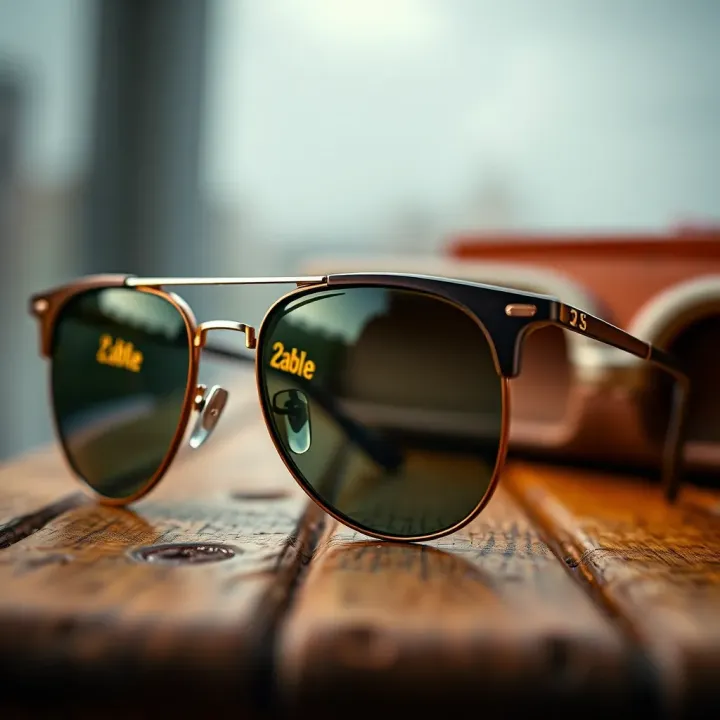
Understanding why aviators stay relevant involves looking at several key features:
Design: The iconic shape provides wide coverage without being bulky, making them comfortable for prolonged wear.
Material: Most aviators use lightweight metals like stainless steel or aluminium, which resist rust and withstand informal handling.
Lens options: Polarised and mirrored lenses reduce glare, beneficial for drivers and outdoor workers facing reflective surfaces such as dusty roads or water.
Regardless of trends, aviator glasses blend function with fashion, making them a practical investment for Nigerians who value both protection and style.
As demand for authentic aviators grows, many local retailers in cities like Lagos and Abuja stock reputable brands alongside tokunbo options, giving consumers flexibility based on budget and preference. Whether you opt for classic shades or modern variations, picking aviators that suit your face shape and lifestyle ensures you get both comfort and flair.
This article will guide you through the history, uses, and cultural standing of aviator glasses in Nigeria today, helping you make informed choices when it’s time to shop for your next pair.
Understanding where aviator glasses came from helps us appreciate why they remain a popular choice in Nigeria and across the world. Originating as practical gear for military pilots, their design combined function and style, which gradually captured civilian interest. Recognising their origins provides context on the durable design and protective features aviators offer, making them suited to Nigeria’s bright sun and active lifestyles.
The original aviator glasses were crafted in the 1930s specifically for U.S. Air Force pilots. Designed to shield pilots' eyes from harsh sunlight and glare while flying at high altitudes, the large teardrop lenses offered broad coverage. For example, the classic Ray-Ban Aviator, first developed for the U.S. Army Air Corps, featured lightweight metal frames and lenses with UV protection — essential for safeguarding eye health during long hours over unpredictable skies.
This focus on clarity and protection is still relevant today, especially in Nigeria where the intense sun and dust can strain the eyes. Aviators’ military heritage ensures that they are built not just for looks but for practical protection and comfort, valuable for daily wear here.
After World War II, returning military personnel brought their aviator sunglasses into everyday use. Their sharp, sleek look quickly attracted civilians, creating a lasting fashion trend. Celebrities like Tom Cruise in "Top Gun" popularised aviators globally, linking them to a cool, confident image.
In Nigeria, this trend caught up with urban youths and professionals who combine style with functionality. Wearing aviators today goes beyond military roots; it’s about making a fashion statement while getting effective eye protection during daily activities—be it commuting in Lagos traffic or enjoying weekend outings.
Aviator glasses are instantly recognisable by their teardrop-shaped lenses, designed to cover the eyes fully against sunlight. This shape also minimises light entry from the periphery, an advantage on sunny days in Nigerian cities.
Frame materials usually involve thin metal, often stainless steel or aluminium, which keeps the glasses lightweight but sturdy. The metal frames also allow adjustable nose pads and temples for personalised comfort—a must for prolonged use during hot weather or hectic days.
The lenses often come in various tints, such as green, brown, and grey, each serving different purposes. Green lenses, for instance, reduce glare and enhance contrast without distorting colours much—ideal for driving or outdoor sports.
Polarised lenses further improve vision by cutting down reflected light from surfaces like roads or water, which is practical for Nigerians dealing with glare during driving or at the beach. Meanwhile, gradient lenses offer sun protection with style, fading from darker on top to lighter below, making them handy for reading or looking at phones without removing the glasses.
Choosing the right lens colour and coating can make aviator glasses well suited to your daily needs, whether for work, travel, or leisure in Nigeria’s varied climate.
In summary, aviator glasses started as robust military equipment but quickly evolved into a stylish and practical accessory. Their distinctive design, combining shape, frame, and lens features, ensures they remain relevant and popular across Nigeria’s bustling cities and sunny outdoors.
Aviator glasses are more than just a style statement in Nigeria; they serve a practical health function by protecting eyes from the intense sun. Nigeria's tropical climate means strong ultraviolet (UV) exposure year-round, which can lead to eye problems like cataracts and photokeratitis. Wearing aviators with proper UV protection helps reduce these risks by filtering harmful rays, especially during midday when the sun is harshest.

Different lens coatings enhance this protection further. For example, anti-reflective coatings reduce glare from surfaces such as car windshields and water, which is useful for drivers and outdoor workers alike. Some lenses also have a mirror coating that reflects sunlight, reducing eye strain during extended outdoor activities common in Nigerian urban and rural settings.
Comfort is key to getting the most from your aviator glasses day to day. Adjustable nose pads allow for a customised fit, preventing the glasses from slipping on the nose, especially in humid conditions typical of parts of Nigeria. Temples that can be slightly bent help secure the glasses behind the ears without causing discomfort, accommodating different head sizes whether you’re commuting by keke, danfo, or walking.
Lightweight frames make a big difference for all-day wear, especially under Nigeria’s sun and heat. Metal frames made from materials like titanium or stainless steel are popular as they combine lightness with durability, resisting corrosion in humid environments. Wearing heavy sunglasses for hours can cause pressure and a headache, but lightweight aviators reduce this, making them suitable for students, retail workers, or anyone who spends time outdoors.
Choosing aviator glasses involves balancing sun protection with comfort. Proper lens coatings safeguard eye health, while a well-fitted, lightweight frame ensures you can wear them effortlessly throughout Nigeria's busy days.
UV protection helps prevent long-term eye damage.
Lens coatings reduce glare for clearer vision.
Adjustable nose pads and temples enhance fit.
Lightweight frames improve comfort for daily use.
Selecting aviators with these practical features ensures you get value beyond the stylish look and keeps your eyes safe in Nigeria’s demanding climate.
Aviator glasses have become a significant accessory in Nigerian fashion, blending style with practicality in ways that resonate deeply with local culture. Beyond protecting against Nigeria’s intense sun, these glasses carry a style statement that cuts across age groups and social settings, making them a common sight from Lagos's busy streets to Abuja's urban hubs.
Aviator glasses offer a refined contrast when paired with traditional Nigerian outfits like agbada, buba and sokoto, or iro and buba. Their sleek metal frames and iconic teardrop lenses add a subtle modern edge to classic styles without overpowering the rich colours and intricate embroidery that define Nigerian traditional wear. For instance, at weddings or cultural festivals, men rocking agbada with aviators command attention, balancing heritage with contemporary flair. This mix not only elevates overall appearance but also signals a wearer’s awareness of both fashion and function, shielding eyes from glare while maintaining a polished look.
In urban Nigeria, where mixing international and local trends is everyday life, aviators fit effortlessly into casual or streetwear outfits. Whether paired with jeans and a simple T-shirt or ankara jackets worn over sneakers, aviators add a cool, confident vibe. Lagos youth, working professionals, and students often use aviators to enhance their look on the go, especially during daytime outings or while navigating traffic on okada or danfo. The practicality of UV protection plus the style boost makes aviators a go-to choice for urban Nigerians who want versatile eyewear that suits their dynamic lifestyle.
Several Nigerian celebrities have been influential in making aviators a household fashion staple. Artists like Femi Kuti and Tuface Idibia have rocked aviators on and off stage, setting style trends that many fans emulate. Likewise, Nollywood actors often showcase aviators in movies and at public events, reinforcing the glasses as a symbol of class and coolness. Their influence ensures the aviator remains relevant not just as a practical item but a cultural accessory.
Social media platforms like Instagram and TikTok serve as powerful channels through which young Nigerians discover and emulate aviator styles. Influencers showcase various ways to style aviators with both local attire and global fashion pieces, helping followers see the versatility of these glasses. This exposure boosts demand and encourages brands and retailers to stock authentic aviators, while also driving awareness about quality and fit. As social media continues to shape fashion preferences, the aviator lens stays a popular pick for those wanting the blend of style and substance.
Aviator glasses have grown beyond mere eye protection in Nigeria; they are now intertwined with cultural identity and personal expression, making them a must-have in many wardrobes.
Pairing with traditional attires like agbada or iro and buba offers a timeless mix of old and new.
Urban Nigerians favour aviators for their blend of style and function, perfect for busy, sun-drenched days.
Celebrity endorsements and social media trends keep the aviator glasses in the spotlight, expanding their appeal.
In short, aviator glasses have seamlessly woven themselves into Nigerian style and culture, offering both practical benefits and a stylish edge that appeals to all.
When selecting aviator glasses, getting the right fit and features is more than just style—it's about comfort, eye protection, and matching your lifestyle. Nigerian weather, combined with a mix of traditional and modern fashion, makes it crucial to consider how aviators suit your face and needs. Here’s what to focus on for a perfect pair.
Choosing aviator glasses that fit well starts with measuring your face properly. Use a ruler or tape to check the width of your face across the cheekbones and the length from your brow to chin. Frames that are too big can slip or look oversized, while those too small may cause discomfort or pressure points. Shops like Armoury Lagos or Jumia Nigeria often provide size guides to help with this.
Beyond just the width, pay attention to the bridge width and temple length. Adjustable nose pads matter a lot, especially for comfort during hot Nigerian days when sweat can make glasses slide. Some aviators come with flexible hinges which help adapt the fit to your face over time.
Aviator glasses with their teardrop lenses tend to suit faces with strong jawlines or square shapes well because they soften sharp angles. Oval faces also wear aviators nicely as this shape balances most frame types. However, if you have a round face, aim for aviators with wider lenses and less curvature to avoid emphasising roundness.
For example, if your face is long, choose aviators with a slightly taller lens to balance vertical proportions. Those with heart-shaped faces can go for narrower aviators with slim temple arms to keep the overall look balanced without overwhelming your features.
Polarised lenses reduce glare from reflective surfaces like wet roads or car hoods, a common hazard for drivers navigating Lagos traffic or okada riders on rainy days. This effect sharpens vision and cuts eye fatigue, making polarised aviators a practical choice.
Non-polarised lenses offer adequate UV protection but don’t manage glare as effectively. They are cheaper and lighter, thus suitable for casual wear or indoor use. Consider your daily routines: if you spend hours outdoors or driving, polarised lenses are worth the investment.
Not everyone enjoys wearing sunglasses without vision correction. Thankfully, many Nigerian optical shops like Visioncare or SpecSave can fit prescription lenses into aviator frames. Custom lenses can include anti-reflective coatings to improve clarity and scratch resistance, which is handy given frequent dust and haze in many Nigerian cities.
Additionally, some brands offer photochromic lenses that darken in sunlight and clear up indoors, providing convenience without multiple glasses. Customisation ensures that aviator glasses don’t just look good but support your eye health and daily activities seamlessly.
Taking time to match your aviator glasses to your face shape and lifestyle can save you from discomfort and poor vision, especially given Nigeria’s diverse environments and fashion choices.
In summary, choosing aviator glasses involves balancing frame size, lens type, and custom options with your unique face shape and everyday needs. This approach will ensure you enjoy the classic aviator style without sacrificing comfort or eye protection.
In Nigeria, securing authentic aviator glasses is key for both style and durability. Counterfeit products flood the market, especially in major cities like Lagos and Abuja, often mimicking popular international brands but offering poor quality. Real aviators provide not just aesthetic appeal but crucial UV protection, so knowing where and how to buy genuine items protects your investment and eye health.
Several global brands with a strong legacy in aviator glasses are officially available in Nigeria. Ray-Ban, for instance, commands respect for its lasting design and dependable build. Oakley and Persol also offer models through authorised dealers, ensuring that consumers get original lenses and sturdy frames fit for everyday use. These brands pride themselves on quality materials and warranties that counterfeit versions simply don’t match.
Buying these international brands locally means avoiding long waits for imports and dodging the risk of poor after-sales service often encountered with fakes. Moreover, genuine brands often include features like polarised lenses or scratch-resistant coatings, essential for Nigeria’s harsh sun.
Local stores like Park ‘n’ Shop and Spar in Lagos sometimes stock authentic aviator glasses in their licensed sunglasses sections. However, specialised eyewear shops such as Mr. Price Optical or S4 Optical House offer better guarantees and professional fitting services.
Online platforms have gained traction, with companies like Jumia Nigeria and Konga verifying sellers before allowing them to operate. These sites often provide customer reviews and return policies, making it easier to identify trustworthy sellers. Still, caution is necessary; always check the seller’s ratings and verify product authenticity before purchase.
One quick way to spot a counterfeit is by checking the packaging and logo details. Authentic aviators come with high-quality cases, cleaning cloths, and warranty cards. The logo on the lens or temple arm should be cleanly engraved or etched, not just printed.
Examine the weight, too—genuine aviator glasses feel solid and balanced, while fakes often feel too light or flimsy. Poorly aligned screws or rough edges also suggest a fake. Lastly, sellers promising prices far below market rates should raise suspicion.
Always buy from known dealers, and avoid impulse purchases on social media platforms where counterfeit items trick unsuspecting buyers.
Authentic aviators from reputable brands in Nigeria typically range between ₦25,000 and ₦80,000 depending on the model and features. Lower prices often mean compromised lens quality or weak frames.
Quality indicators to check include the type of lenses (polarised lenses typically cost more but offer better glare reduction), frame material (titanium or stainless steel lasts longer than cheap alloys), and warranty offers. Genuine sellers will be transparent about these details. Investing in a higher-priced, authentic pair pays off with better protection and longer life span, which is worth it given Nigeria's intense sun exposure.
Navigating the Nigerian market for aviator glasses requires care but knowing where to look and what to check can help you stay stylish while protecting your eyes effectively.
🎰 Discover the RTP of 22Bet Fishin Frenzy and how it shapes your winning chances. Learn smart betting tips and what affects your gaming on 22Bet, tailored for Nigerian players.

Learn how 22Bet sets maximum payout limits, key rules, and practical tips to help Nigerian bettors safely secure winnings up to millions ₦.📊💰

⚽ Discover top correct score prediction sites trusted by Nigerian football fans 🇳🇬! Learn how to spot reliable platforms, improve bets, and avoid risks while enjoying sports betting excitement.

Learn about 22Bet Nigeria’s maximum stake limits for sports and casino bets 🎲, including factors that affect them and tips to manage your betting within limits 💡.
Based on 9 reviews