
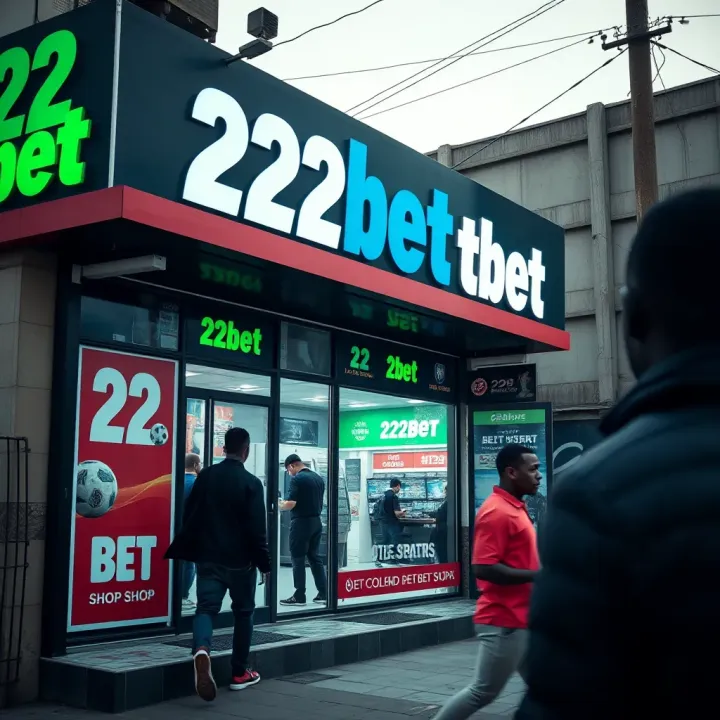
How to Run a 22Bet Shop in Nigeria
Discover how to run and profit from a 22Bet shop in Nigeria 🇳🇬. Learn setup steps, payment options, betting types, and handle challenges like a pro. 💰🎲
Edited By
Efe Martins
Horse racing betting holds a special place in Nigeria's sports culture. Unlike football betting, which dominates widely, horse racing attracts a unique crowd thanks to its thrilling blend of speed, strategy, and tradition. This guide walks you through the essentials of betting on horse races in Nigeria—giving you the tools to bet smarter and safer.
The sport’s roots in Nigeria stretch back to British colonial times, with racecourses like the Lagos Racecourse and the Jos Racetrack paving the way. Today, these venues still host events packed with eager bettors, blending classic excitement with modern betting methods.
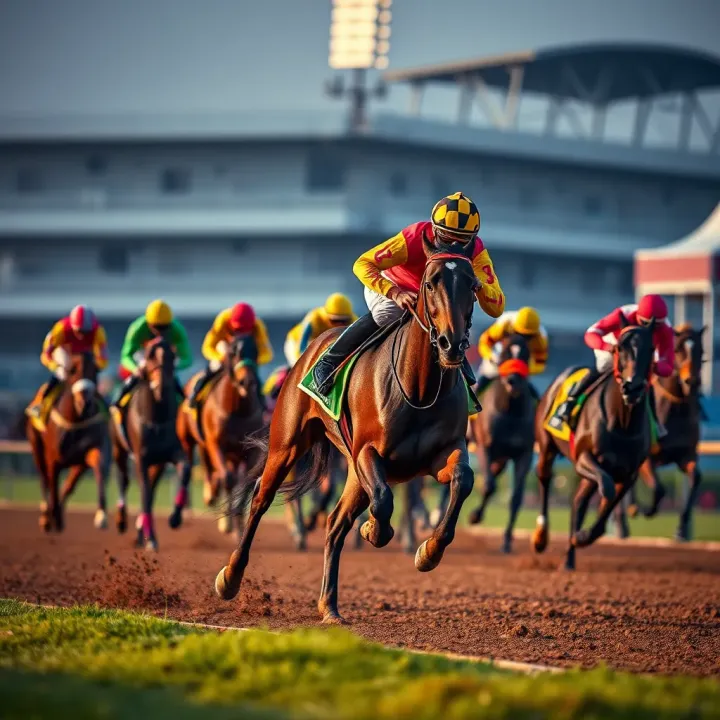
Betting on horse racing isn’t just luck; knowing the horses, jockeys, and betting types can improve your chances significantly.
Horse racing offers various betting options beyond the usual win/lose. For example, you can place an each-way bet, where you bet on a horse to win or place within the top three. Another popular option is the exacta, where you predict the first two horses in order.
These types require more insight but can multiply your winnings when you get them right. That’s why learning about horses’ form, track conditions, and jockey performance pays off.
Lagos Racecourse: Located in Onikan, Lagos, it’s the hub of horse racing action with weekly events.
Jos Racecourse: Up north, it provides a different racing vibe due to its elevated altitude and cooler climate.
Kano Racecourse: A growing centre with a passionate betting community.
Each course has its own schedule and rules, so familiarising yourself with your preferred venue helps.
Betting should be fun and controlled. Always set a budget—never bet more than you can afford to lose. Use registered betting platforms or official betting stands at the racecourses.
Avoid unlicensed operators who might scam you or give unfair odds. Brands like Bet9ja and NairaBET often offer horse racing markets alongside football, combining ease and security with local payment options.
In summary, horse racing betting in Nigeria is both exciting and accessible. Understanding the basics—from popular bet types to safe betting practices—sets you up for confident play. The remainder of this guide digs deeper, sharing practical tips, regulatory information, and strategies to help you get the best from your betting experience.
Horse racing betting holds a special place in Nigeria’s sports betting scene. Understanding its history, growth, and current status helps bettors make informed decisions and appreciate the market's dynamics. Whether you’re a newbie or seasoned bettor, knowing where horse racing betting stands compared to other sports can guide your betting strategy.
Horse racing in Nigeria dates back to the colonial era when British influence introduced the sport to Nigerian cities like Lagos and Kaduna. Initially an exclusive pastime for elites, it gradually gained traction across wider social groups. The establishment of tracks such as the Lagos Racecourse provided a formal arena, drawing crowds and setting the stage for organised betting.
The historical background is practical for bettors because it explains why certain venues hold prestige and how betting traditions evolved, influencing the typical behaviours and expectations among Nigerian horse racing enthusiasts.
Betting on horse races grew steadily, especially after Nigeria’s independence, as more locals embraced the sport. Betting shops popped up around racecourses and in urban centres, connecting traditional betting with modern commercial activities. Over time, technological advancements like online betting portals expanded access, allowing more Nigerians to participate without being physically present at the races.
This growth shows the merging of old customs with modern systems, a useful insight for bettors exploring online platforms or wanting to understand how the community engages with betting beyond just the races.
Traditional betting practices, such as informal wagers among friends or community groups during race events, remain common. Meanwhile, modern practices include regulated betting on licensed platforms, use of mobile money payment, and access to live race streaming. These combined habits highlight a hybrid culture where bettors might switch between casual stakes at a local spot and formal bets through apps.
Understanding this blend can help you navigate betting options, balancing convenience and trustworthiness for safer betting experiences.
Young adults, particularly those aged between 25 and 40, dominate the horse racing betting scene in Nigeria. Many are students, retail workers, or tech-savvy youths who prefer online channels like OPay or PalmPay for funding bets. Interestingly, while men still represent a majority, increasing female participation is noticeable, especially in urban areas.
Knowing this demographic focus guides new bettors about who they are likely competing with and which platforms cater best to their needs, especially if they favour mobile or digital methods.

Horse racing betting remains popular but trails behind football, Nigeria's most bet-on sport. Football commands larger jackpots and widespread attention, yet horse racing attracts more consistent bettors who appreciate the sport’s unpredictability and strategic depth. Unlike football, horse racing betting often sees smaller stakes with frequent smaller payouts, appealing to bettors looking for steady returns.
This comparison helps bettors decide where to allocate their resources depending on their risk appetite and knowledge level.
Horse racing events generate significant income for local economies around racecourses, such as Lagos and Jos. The industry supports jobs for jockeys, trainers, feed suppliers, and betting shop operators. On race days, informal vendors, including mama puts selling snacks and drinks, see increased business, boosting community earnings.
By knowing its economic footprint, bettors appreciate the wider benefits of betting and horse racing, not just personal gains. This understanding promotes responsible betting with awareness of its social context.
Remember: Horse racing betting in Nigeria is more than just a game; it intertwines with culture, economy, and tradition, making it a unique part of Nigerian sport and leisure.
Understanding how to place horse racing bets in Nigeria is practical for anyone interested in tapping into this vibrant betting scene. Whether you're fresh to betting or want to sharpen your approach, knowing the platforms, procedures, and payment options gives you confidence and clarity.
Physical racecourses and betting shops remain a popular choice, especially among those who enjoy the atmosphere of race days. Lagos’s Ladipo Racecourse, for instance, draws crowds not just for the races but for the opportunity to place bets firsthand on-site. These venues provide immediate results, face-to-face interactions, and a chance to soak in the sporting excitement. Betting shops distributed across cities like Abuja and Port Harcourt offer convenient access for bettors who prefer physical outlets without travelling far.
Online platforms serving Nigerian bettors have grown fast due to better internet access and smartphone penetration. Websites like Bet9ja and SportyBet cater to horse racing bets alongside football and other sports. Their ease of use, plus access to live odds, race schedules, and statistics, makes them very relevant for tech-savvy and busy bettors nationwide. Online platforms bring the action right into your home or office without missing any race.
Mobile apps and USSD codes suit bettors who may not always have steady internet but own mobile phones. Apps from operators like NairaBET and Audibly let you place bets with just a few taps. Meanwhile, USSD codes provide bet placements even on basic phones—vital for areas with patchy data services. This method fits Nigerians who want quick, on-the-go betting without navigating complex interfaces.
Registering and funding your betting account is the first step whether you’re betting online or through an app. Nigerian platforms usually require your phone number and an ID like your BVN for verification. Funding can be done via bank transfers or mobile money wallets, making it straightforward to load your account with ₦500 or more to start betting.
Selecting races and horses comes after your account is ready. Races are scheduled regularly at racecourses or through platforms, and bettors choose horses based on form, jockey experience, and odds. For example, someone might back Horse A at 3:1 odds if they see recent wins, giving them a better chance for a payout.
Submitting bets and confirming stakes involves placing your wager on selected horses and confirming the amount. Online platforms show a bet slip summarising your choice and the potential return based on your stake. Physical shops print receipts after you place your bet, which you keep for validation.
Bank transfers and card payments are standard for transactions on online betting platforms. Nigerian banks like GTBank, Zenith, and Access Bank support quick transfers that credit your betting wallet within minutes. Debit and credit cards add flexibility, especially for users who prefer card security when depositing.
Mobile money services like OPay and PalmPay allow instant deposits and withdrawals without needing to visit a bank. Many Nigerians rely on these services for daily transactions due to their convenience. Using them for betting means you quickly move funds in and out of your betting account, avoiding delays from traditional banking.
Cash payouts at betting centres remain common among bettors who prefer physical collection to avoid digital hassles. After a successful bet, you can visit the shop or racecourse office to collect your winnings in cash promptly. This option works well for those who trust cash more than bank balances and for bettors in areas with unstable online payment infrastructure.
Familiarity with these betting platforms, steps, and payment methods helps ensure you place informed bets safely and conveniently. Betting without knowledge on how to navigate these can lead to frustration or loss.
Placing horse racing bets in Nigeria is straightforward once you know where and how to start, plus the safest ways to handle your money. Whether you prefer the buzz of racecourses, the ease of betting apps, or the privacy of mobile USSD codes, options exist to fit different lifestyles and tech habits.
Understanding the common betting types in Nigerian horse racing is essential for anyone looking to place informed bets. These bet types shape how bettors approach races, manage risks, and maximise potential returns. Being familiar with them can boost your chances of success, especially in a fast-paced environment where quick decisions matter.
These are the simplest and most popular bets in Nigerian horse racing. A Win bet means you pick a horse to finish first. If your chosen horse crosses the finish line first, you win. The payout depends on the odds assigned, which vary based on the horse’s perceived chances. For example, backing an underdog that wins can significantly multiply your stake.
A Place bet requires your horse to finish either first or second. This lowers the risk compared to a win bet and often comes with smaller payouts. It suits bettors who want more steady, but less risky, returns. The Show bet is even safer—it pays if your horse finishes in the top three. While the payouts for show bets are smaller, they appeal to casual bettors who prefer a higher chance of winning something, even if the returns are modest.
Choosing between these bets depends on your appetite for risk. Win bets are best for bettors confident about a horse’s performance, whereas Place and Show bets suit those cautious about unpredictability on the track.
Exotic bets like Exactas and Trifectas offer higher rewards but require predicting the exact order of finishers. An Exacta bet calls for selecting the first two horses in the precise order, while a Trifecta ups the challenge by asking for the first three. These bets can bring handsome returns, especially when long shots feature in the podium places.
The Quinella is slightly less tricky; you pick two horses to finish first and second, but in any order. This flexibility raises the odds in your favour compared to Exactas. Another popular exotic wager is the Daily Double, where the bettor must select winners of two consecutive races. This bet appeals to those who follow horse form closely and trust their judgement across multiple races.
To boost earnings on exotic bets, many Nigerian bettors use combinations or boxed bets that cover multiple finishing orders. For example, instead of predicting one exact order in a Trifecta, you might select several horses in different orders, spreading risk. It costs more upfront but increases your chance of hitting the right combination.
Mixing simple bets like Win or Place with exotic wagers based on the same race can also be effective. For instance, you might place a safe Place bet on a favourite and pair it with an Exacta including dark horses for a bigger payout. Since Nigerian horse racing markets can be unpredictable, combining bet types strategically can balance safety with profit potential.
Remember, while exotic bets can offer larger payouts, they also demand more focus and understanding of the horses, jockeys, and track conditions. Bet wisely and consider your budget.
Knowing these common betting types empowers you to choose what fits your style—whether you prefer steady wins or are willing to take a calculated gamble for higher prizes. As you gain experience with Nigerian horse racing bets, your confidence in mixing these options will grow, helping you navigate the betting scene more effectively.
Horse racing venues and events form the backbone of Nigeria’s horse racing culture and betting scene. Knowing the main centres and their unique features helps bettors make informed choices on where to place their bets and what races to watch closely. These venues often influence betting patterns and provide insight into the regional significance of the sport.
Ladipo Racecourse in Lagos is arguably the most famous horse racing venue in Nigeria. Located in the bustling commercial hub of Lagos, Ladipo Racecourse attracts a diverse crowd, from serious punters to casual bettors. The well-maintained facility hosts regular race meets, making it a hotspot for betting activity especially during weekends. Accessibility by danfo buses and okadas makes it convenient for most Lagos residents, while the vibrant atmosphere enhances the on-ground betting experience.
Jos Racecourse and its regional importance plays a key role in Northern Nigeria’s horse racing scene. Despite being less commercialised than Ladipo, it holds significance in promoting horse racing culture in the Middle Belt region. The Jos Racecourse often serves as a platform for local breeders to showcase regional breeds, influencing betting trends unique to that area. Its race meets attract bettors from surrounding states, combining traditional affinity for horses with formal betting opportunities.
Local facilities and their conditions vary across Nigeria, affecting both the quality of the races and bettor experience. While some state-owned racecourses struggle with upkeep due to funding issues, others have benefitted from private sector partnerships improving track standards and amenities. Bettors should consider conditions of facilities, such as track surface and seating, because these factors impact race outcomes and accessibility for betting. Knowing which venues offer supportive betting infrastructures can guide you to the best spots for confident wagering.
Annual horse racing carnivals serve as major highlights in Nigeria’s racing calendar. These events, often held during festive seasons or public holidays, bring together top jockeys and horses from across the country. The carnivals spark increased betting activity due to their competitive races and higher prize money. For example, the Lagos International Polo and Horse Race Festival combines sport with social festivities, giving bettors a chance to engage in a lively environment with attractive betting odds.
Events attracting the biggest betting volumes include high-profile race days such as the President’s Cup or Governor’s Stakes held in different states. These races draw considerable media attention and boast large betting pools because they feature well-known horses and significant cash prizes. Bettors often prepare specially for these betting opportunities, analysing form guides and jockey performance. If you want to step up your betting game, tracking such marquee events is a strategic move.
The role of traditional festivals in horse racing betting is particularly notable in regions where horse culture is historically embedded. Festivals celebrating local heritage often incorporate horse races as key attractions, blending cultural pride with sporting excitement. These occasions motivate local communities to participate heavily in betting, keeping the sport vibrant and economically relevant. Understanding this link helps bettors appreciate why certain races see spikes in betting volumes at specific times of the year.
Horse racing in Nigeria is not just about sport—it’s a social event that ties communities, culture, and commerce together. Knowing the venues and events well gives you an edge when placing bets.
By focusing your attention on major racecourses and significant events, you can align your betting activities with the most promising opportunities and enjoy the full Nigerian horse racing experience.
When betting on horse racing in Nigeria, understanding the regulatory environment is essential to staying safe and protecting your money. The legal framework governs who can operate betting businesses, ensures fair play, and shields bettors from scams. Without proper regulation, you risk losing your hard-earned naira to untrustworthy operators or falling victim to fraud.
The National Lottery Regulatory Commission (NLRC) is the primary body overseeing betting activities, including horse racing betting. They issue licences to operators, monitor compliance, and work to maintain a fair, transparent market. When you place bets, it's helpful to confirm that the platform or betting shop is registered with the NLRC, as this reduces risk of fraud.
Operators must follow strict rules to keep their licences valid. These include maintaining clear records, ensuring payout transparency, and protecting customer data. For instance, licensed operators regularly submit reports to the Commission and have to comply with anti-money laundering laws. This regulation gives bettors confidence that their bets are handled securely and winnings paid without unnecessary delays.
Regulation impacts bettors by creating a safer betting environment. Licensed operators are less likely to fix races or refuse payouts. Also, bettors can report problems directly to the regulatory body, making it easier to resolve disputes. Ultimately, regulation nurtures trust that encourages more Nigerians to participate in horse racing betting responsibly.
Unlicensed operators often appear with flashy websites or aggressive marketing, but they lack official approval. Gambling sites without an NLRC licence are risky because they might not pay out winnings or keep your money safe. Always look for official licence numbers displayed on websites or physical betting shops before committing funds.
To protect your bankroll, use secure payment methods recognised in Nigeria. Platforms supporting bank transfers, reputable mobile money services like OPay or PalmPay, and card payments are safer than sending cash to unknown agents. Avoid sharing your Bank Verification Number (BVN) or PIN online. Moreover, ensure that websites use encryption by checking for 'https://' in the URL before entering sensitive details.
If you notice suspicious behaviour—like sudden account lockout, unclear terms, or delays in payout—report these immediately. Reporting channels include the NLRC and the Economic and Financial Crimes Commission (EFCC). Prompt reporting helps authorities investigate scams and protect other bettors.
Setting limits on how much to bet is vital. Many bettors in Nigeria start with small stakes, knowing well that losses can happen anytime. Determine in advance how much of your funds you can afford to lose without affecting daily needs or family support. Avoid chasing losses, which often leads to bigger financial troubles.
Understanding risks means knowing that no bet is a guaranteed win. Probabilities are often coded in the odds offered, indicating the chance a horse might place or win. Familiarising yourself with these odds and past race statistics helps you make better choices instead of blind guesses. For example, a horse at 2/1 odds gives better chance insight than one at 50/1.
For those struggling with gambling habits, support resources are available in Nigeria. Organisations like the National Council on Problem Gambling provide counselling and awareness. Some online platforms also offer self-exclusion tools, letting you block access to betting accounts temporarily. Recognising when betting stops being fun and becomes problematic is a step towards preserving your wellbeing.
Betting on horse racing can be enjoyable and profitable if you play smart and stay safe. Always prioritise licensed platforms, secure your transactions, respect your budget, and seek help if needed to make the experience worthwhile.
Discover how to run and profit from a 22Bet shop in Nigeria 🇳🇬. Learn setup steps, payment options, betting types, and handle challenges like a pro. 💰🎲
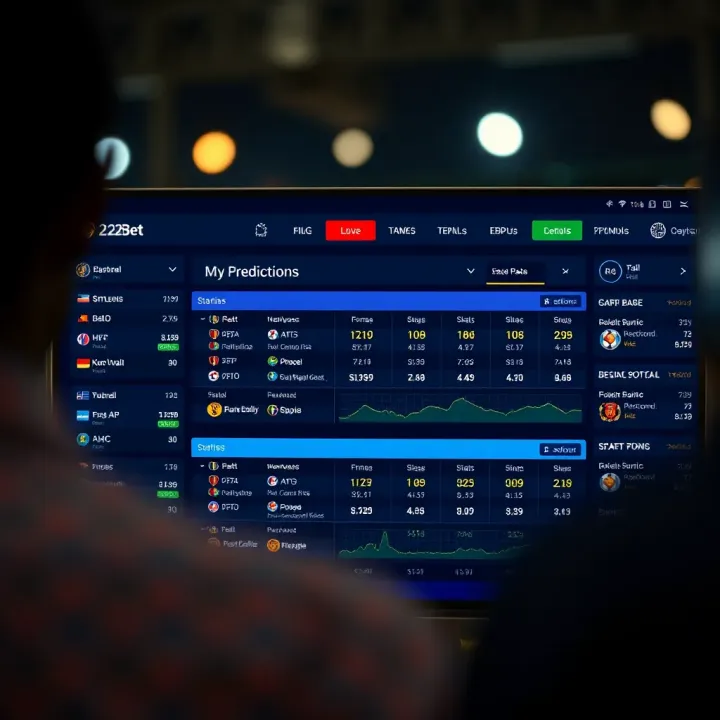
🎯 Maximise your betting success with 22Bet VIP predictions! Get reliable tips, exclusive benefits, and winning strategies tailored for Nigerian sports bettors ⚽️📈

⚽ Catch today’s Champions League fixtures live! Know match times, top Nigerian players to watch, and where to stream action from Lagos to Abuja 🇳🇬. Stay updated!

Discover top casino sites in Nigeria 🎰, learn about secure payment methods 💳, popular games 🎲, and smart ways to gamble responsibly for a fun ₦-wise experience.
Based on 7 reviews