
22bet Login and App Download Guide for Nigeria
🔑 Get the full guide to 22bet login and app download in Nigeria 🇳🇬. Learn easy steps, secure access, and smooth navigation for better betting on mobile or desktop 📱💻.
Edited By
Grace Ihenacho
The old 22Bet mobile app from around 2013 was a straightforward platform designed for ease of use on a variety of mobile devices common in Nigeria at the time. It offered dependable access to sports betting options without requiring high-speed internet, which helped many users cope with the modest data speeds and intermittent connectivity common in many Nigerian cities.
Users looking to log in had to pass through a simple but secure process. Registration required basic information — full name, date of birth, email, and mobile number. Unlike today's apps, the verification steps were less automated, so sometimes users waited longer for confirmation. However, the app’s lightweight design made sign-ups smooth, even on older phones.
Once logged in, the dashboard presented easy navigation to popular bets such as football, basketball, and tennis events — with football being the most prominent, especially matches from the Nigerian Professional Football League (NPFL) and the English Premier League. Live betting was available but limited compared to modern standards. The app focused primarily on pre-match bets that didn’t require constant data updates, making it usable even during unstable network periods.
Key features included:
Simple event layout: Clear listing of games and odds.
Basic wallet management: Deposits and withdrawals were manually verified through payment channels like bank transfers and POS terminals.
Bet slip tracking: Users could track placed bets, though detailed statistics and in-depth analytics were mostly missing.
Many users appreciated the old 22Bet app for its straightforward approach, which avoided the bloat of new features that slowed down less powerful devices.
The app’s security relied on encrypted connections, though it lacked multi-factor authentication now common in fintech apps. Still, it met the basic safety needs of that era and encouraged responsible betting with easy-to-understand terms and conditions.
If you’re revisiting or comparing older mobile betting experiences, note that older versions required patience during registration due to slower processing. Plus, engaging with customer support was often via email or SMS, without the instant chat options now standard.
Understanding these characteristics offers insight into the betting culture in Nigeria as it stood over ten years ago, showing how platforms like 22Bet adapted to user limitations and local realities while still delivering qualitative access to global sports betting markets.
Understanding the history and background of the 22Bet mobile app offers valuable context for users, especially those familiar with Nigerian betting landscapes. Knowing how the app started and evolved helps bettors appreciate the platform's strengths and limitations, particularly when comparing the old 2013 version to current interfaces. This context is key for users navigating legacy systems or making informed decisions about upgrading.
When 22Bet launched its mobile platform in 2013, it aimed to bring sports betting closer to a mobile-savvy audience on the go. The initial features were straightforward but functional, including basic sports betting markets, live scores, and simple account management tools. For instance, users could bet on popular football leagues common in Nigeria, such as the English Premier League and Nigeria Professional Football League. The app's simple design allowed it to run on a variety of smartphones available at the time, including older Android models common in Nigerian markets.
The target users in Nigeria were mostly sports enthusiasts looking for a reliable, mobile-friendly betting platform. 22Bet’s strategy focused on affordability and accessibility, knowing that many Nigerian bettors relied on data-efficient apps due to costly and unstable internet connections. By catering to lower-end devices and local betting interests, the app quickly gained traction, standing out among other gambling apps that demanded more resources or had complicated interfaces.
Over the years, 22Bet improved its mobile app with multiple updates addressing user feedback and technological advances. Key improvements included better odds display, integration of casino games, introduction of in-play betting, and improvements in app speed and security. Newer versions also started supporting faster payment methods popular in Nigeria like USSD codes and local bank transfers. These updates made betting more seamless and suited for Nigeria's diverse and evolving mobile landscape.
Comparing the old 2013 app to the current version shows a clear progression: the earlier app was minimalistic and focused on core betting functions, while the latest versions have a richer user experience with interactive elements, modern graphics, and more robust security protocols. Although the old app runs well on basic devices, it lacks some conveniences and stability that modern Nigerian bettors expect, such as instant deposit confirmation or detailed statistics. Understanding these differences helps users decide whether to stick with the legacy platform for nostalgia or transition to the newer, more powerful app.
The history of 22Bet’s mobile platform reflects changing user needs and Nigeria’s fast-growing digital betting space. Appreciating this journey gives you an edge when choosing or using the app.
Registering on the old 22Bet mobile platform remains a handy skill for users relying on legacy systems or who prefer simpler app versions. Understanding the registration process helps avoid frustrations, especially in Nigeria where network challenges and device variations affect app performance. This section breaks down what you need to get started and how to navigate common hurdles.
To register, you generally need to provide basic personal details: full name, date of birth, email address, phone number, and a secure password. The app sometimes requested a valid Nigerian phone number to enable quick SMS verification. This approach ensured that only active contacts could open accounts, reducing fake profiles. For example, if you have a Glo or MTN line, you'd enter it and await a PIN code via SMS.
Additionally, users needed to select currency preference, often defaulting to Nigerian Naira (₦), which is practical for local betting transactions. Providing accurate details made withdrawals and deposits smoother later, avoiding delays from discrepancies during KYC (Know Your Customer) checks.
Verification usually came in two phases: first, confirming your phone number via SMS or a USSD prompt; second, uploading identification documents like a national ID card, driver's licence, or international passport. While some Nigerian users skipped the second step initially, full verification was necessary to withdraw winnings above certain thresholds.
This process was essential for complying with Nigerian gaming laws and CBN regulations on anti-fraud and money laundering. A typical example would be sending a clear photo of your NIN (National Identification Number) slip along with a selfie to validate your identity. Prompt verification helped avoid account freezes or withdrawal rejections down the line.
Back in 2013, many Nigerian users faced frequent network instability, which sometimes interrupted the registration flow. The old 22Bet app was designed light to work on basic smartphones and slower 2G or 3G networks. Still, registration forms could time out if connection dropped.
One practical solution was registering during off-peak hours when data traffic lessened. Also, users of lower-end Android phones found that clearing app cache or restarting their device before registering often fixed unexpected glitches. If the SMS verification code didn’t arrive, resending the code after a short wait usually worked.
For the best experience, using a stable internet connection—such as home Wi-Fi or a reliable mobile network like MTN’s 4G in urban centres—is advised. Before starting, have your identification documents ready for upload to avoid pausing mid-process.
Another tip is to avoid multiple rapid registration attempts; this could lock your IP address or phone number temporarily. Instead, check details carefully and register once with correct information. Keeping your phone’s date and time settings accurate also prevented verification mismatches common in older apps.
Registering properly on old 22Bet not only gets you betting quickly but also ensures your account stays secure and withdrawal-ready, especially given Nigeria's regulatory and network environment.
By following these practical steps and solutions, users can navigate the old 22Bet mobile registration smoothly amid Nigeria’s connectivity realities and device diversity.
Logging in to the old 22Bet mobile app is the gateway to accessing your sports betting and casino gaming activities. Without a smooth login process, users may find it difficult to place bets or monitor their accounts effectively. For Nigerian bettors who have been around since the app’s early days, understanding how to log in properly remains relevant, especially when revisiting older devices or managing legacy accounts.
To log in to the old 22Bet app, users primarily require their registered email address or phone number paired with the chosen password. These credentials form the basic access keys, much like the key to a tokunbo car ignition. For example, if you signed up with your phone number, failing to enter the exact digits can lock you out. It’s common for users to forget whether they used email or phone number during registration, so remembering this detail streamlines access.
The old 22Bet platform offered simple but essential password recovery options. If you forget your password, you could request a reset link sent via email or an SMS code to your phone. This helps prevent unnecessary downtime and frustration. On top of that, basic security measures included time-bound sessions and auto-logout after inactivity, reducing the risk of unauthorized access if a device was lost or shared. Nigerian users, knowing how common power outages and shared devices are, found these features helpful for their security.
Since the app’s release in 2013, the mobile hardware and network environment in Nigeria have drastically changed. Older smartphones or feature phones might struggle to run the original 22Bet app smoothly, causing login lags or crashes. For example, a user with a basic Android device running an outdated OS version may experience freezes in the login screen, especially on slow 3G networks often found outside Lagos and Abuja. Compatibility issues also arise from app updates no longer supported by legacy operating systems.
Locked accounts often result from multiple failed login attempts or suspected suspicious activity. In such cases, the app usually advised users to contact customer support or use password recovery options. Nigerian bettors facing this would sometimes be required to provide identity verification documents, like a scanned National ID or passport, to reactivate their accounts — a necessary extra layer for fraud prevention. As a quick fix, resetting passwords and ensuring network stability before trying again can resolve many common issues.
Always keep your login details secure and avoid sharing your password, especially when using shared devices or public wifi. This practice helps you steer clear of account lockouts and unauthorised transactions.
By understanding these login essentials, Nigerian users can better navigate the old 22Bet mobile platform and maintain uninterrupted access to their betting activities despite technological or network challenges.
The features and user experience of the old 22Bet mobile app are central to appreciating how Nigerians engaged with mobile betting platforms nearly a decade ago. Back in 2013, mobile internet was still growing in Nigeria, so the app’s design and available options had to balance rich content with light data demands. Understanding these elements helps users familiar with tech evolution to see how far betting apps have come and still relate to core features that remain relevant today.
Sports betting was already gaining serious traction in Nigeria by 2013, with football being the top attraction. The old 22Bet app featured popular leagues like the English Premier League, La Liga, and Nigerian Professional Football League, allowing bettors to place wagers on matches, player performances, and various bet types such as over/under goals or first scorer. This variety matched Nigerian users’ interests and local knowledge, making it easier to engage confidently.
Bet types were straightforward, mostly single bets and accumulators (multiples), reflecting the simpler betting culture of that time. The app also covered international events like the World Cup and Olympics, drawing Nigerian users interested in global sports.
Beyond sports betting, the app offered casino games that added extra thrill. Classics like blackjack, roulette, and slots were available, giving users a taste of the casino floor without leaving their phones. Virtual sports—computer-generated simulations of events such as horse racing and football—offered continuous action when real sports were scarce. This was particularly useful during off-seasons or delays, keeping engagement alive for users.
For many Nigerians, these features meant more betting variety, attracting not just football fans but also casual bettors looking for quick games. The virtual sports section was a clever way to maintain activity, especially in areas with limited broadband speeds.
The 2013 22Bet app sported a clean, simple interface tailored for smartphones common in Nigeria then, such as Samsung Galaxy Y or Tecno devices. Menus were minimal, avoiding clutter, which helped first-time users find their way without confusion. Betting options were presented in easy-to-tap lists, and the registration and login processes were integrated smoothly to keep users engaged.
This user-friendly design mattered a lot, given that many users preferred apps that did not require heavy technical skills. For instance, a young retail worker trying to place bets after work would appreciate this straightforward approach, as opposed to a complex navigation system.
One of the challenges with mobile apps then was limited and often unstable internet connections, especially outside Lagos and Abuja. The 2013 22Bet app was optimised to run effectively on 2G and 3G networks, common across Nigeria at the time. Load times were reasonable, and the app consumed low data, making it affordable for most Nigerians.
Compatibility extended to older Android and Java-based phones, enabling wider access beyond the latest devices. While it might have lagged or crashed occasionally on phones with very low RAM, the overall performance was commendable for the era. This consideration was vital in reaching users in smaller towns and rural areas where high-end smartphones were rare.
Good user experience depends not just on features offered but how well they fit the everyday reality of Nigerian users — from slow networks to familiar sports interests. The 22Bet app’s design in 2013 reflected this balance.
Security concerns were already front and centre even in betting apps from 2013, including the old 22Bet mobile platform. Back then, safeguarding user data and maintaining privacy were vital to build trust, especially as many Nigerian users were still warming up to mobile betting. This section sheds light on the practical security protocols that 22Bet employed and how it protected users’ personal and financial information.
In 2013, 22Bet relied mainly on Secure Socket Layer (SSL) encryption to shield user data during transmissions. Though less sophisticated than today's standards, SSL was crucial in preventing third parties from intercepting login credentials or payment information. For instance, when a user logged in or placed a bet, their data travelled in encrypted form to the server, reducing exposure to eavesdropping or man-in-the-middle attacks.
Additionally, the app used basic authentication checks, tracking login attempts and flagging unusual activity, which helped to prevent unauthorised access. This was particularly useful in protecting accounts when users logged in from shared internet cafes or public Wi-Fi common in Nigerian cities.
The app collected essential personal data like full name, phone number, and bank details for payments. These details were stored on secure servers with restricted access, complying with data protection norms of that period. Although data protection laws were not as tough as today’s Nigeria Data Protection Regulation (NDPR), 22Bet had established practices to avoid leaking or selling user information.
Financial transactions, such as deposits and withdrawals, were routed through trusted payment gateways, ensuring users could trust that their ₦ amounts wouldn’t go missing or be misused. For example, users in Nigeria often funded their accounts with local banks like GTBank or Access Bank, and the app's system was designed to keep such transactions secure even over limited mobile data connections.
Despite being an older app, 22Bet had tools that allowed users to manage their gambling activities responsibly. Players could set daily or weekly deposit limits to prevent overspending—a feature quite valuable to young Nigerian bettors who might struggle with impulse betting.
Moreover, the app offered self-exclusion options that let users temporarily block themselves from placing bets for a set period. This practical approach helped users avoid chasing losses or making hasty bets during ember months or stressful periods.
Recognising the local context, 22Bet provided links and contacts to gambling support organisations within Nigeria and globally. These resources included helplines and counselling references, offering guidance to users facing difficulties with gambling addiction.
The app also encouraged users to pause and reflect before large bets, sometimes displaying reminders about responsible gaming, which was quite progressive for a 2013 platform targeting Nigerian sports bettors.
Despite the limitations of older technology, 22Bet's security and safety features balanced user protection and practical gambling tools, adapting reasonably well to the Nigerian digital betting environment of the time.
Security on legacy platforms like this remains relevant because many users still use or access older versions for various reasons, so understanding these earlier protective measures can help users navigate risks better.
Using the old 22Bet mobile app in Nigeria today requires some practical considerations. Since this version was developed back in 2013, it may not perform smoothly on modern devices or networks without some adjustments. These tips help users avoid common pitfalls like slow load times, broken features, or security hiccups. Nigerian bettors who still prefer this legacy platform for its simplicity or familiarity will find value in understanding device compatibility, network optimisation, and safeguarding their accounts.
Older apps like the 2013 22Bet platform were designed for smartphones available a decade ago. Generally, devices with modest specs, such as mid-range Android phones with lower RAM and processor power, run these apps more reliably than the latest feature-packed smartphones that may have compatibility issues. Phones like the Samsung Galaxy A10 or Tecno Spark series from earlier years strike a good balance. They load the app faster and avoid some glitches that come with high-end models trying to process outdated software.
Users should avoid very old phones with outdated operating systems, as these might not support basic functions of the app or cause frequent crashes. It’s also wise to check if your phone allows installation of apps from third-party sources, as the old 22Bet app might not always be available through official stores.
For many Nigerians, consistent internet speed remains a challenge, especially outside major cities. The old 22Bet app wasn’t designed for today’s heavy data consumption patterns, so optimising your network settings is crucial. Using a stable 3G or 4G connection from MTN, Airtel, or Glo helps reduce buffering and loading delays.
Turning off background apps and limiting the app’s data use to essential features can also save your mobile data. For example, disable auto-updates and close other browsing tabs when betting. Connecting through Wi-Fi networks at home or cybercafés during busy betting days—like on weekend football matches—improves speed. These small steps keep the app responsive and prevent data burnouts.
Account security remains key with any betting platform, old or new. Even though the 2013 22Bet app had some solid protection measures back then, users should still guard their login credentials seriously. Avoid saving passwords on shared or public devices—common in cybercafés where many Nigerians place bets.
Using strong, unique passwords combining letters, numbers, and symbols reduces risk. Also, beware of phishing attempts through emails or messages pretending to be 22Bet. Nigerian players must verify the source before clicking any links or sharing personal information.
Sticking to legacy apps can feel comfortable but may expose users to outdated security protocols or missing features. If you notice recurring problems with login, slow performance, or limited access to new betting markets, it’s probably time to migrate to newer versions of 22Bet.
Newer apps are optimised for Nigerian networks and devices and offer improved security backed by the latest encryption standards. They also provide better deposit and withdrawal options through popular local channels like Paystack or Flutterwave. Regularly checking for official announcements and updates ensures you stay protected while enjoying the best betting experience.
Staying practical about device choices, network settings, and security helps you squeeze the most value from the old 22Bet app while safeguarding your account. But also remain open to upgrading when the technology demands it.
🔑 Get the full guide to 22bet login and app download in Nigeria 🇳🇬. Learn easy steps, secure access, and smooth navigation for better betting on mobile or desktop 📱💻.
🔐 Learn how to register and login on 22Bet Shop and mobile easily in Nigeria. Get tips on safety, solving issues, and using key features for a smooth betting experience. 📱
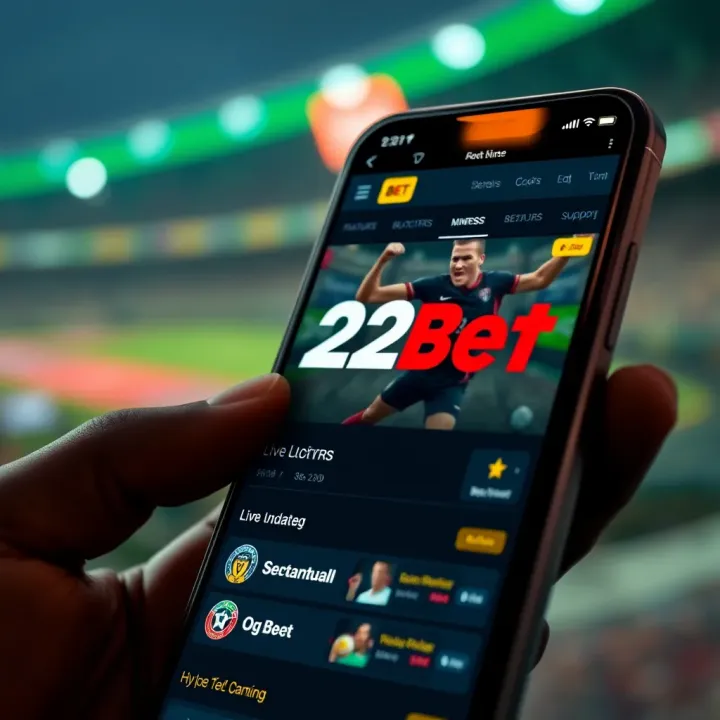
📱 Discover how the 22Bet app suits Nigerian users with easy installation, secure payments in ₦, round-the-clock support, and smooth account management for betting fun.
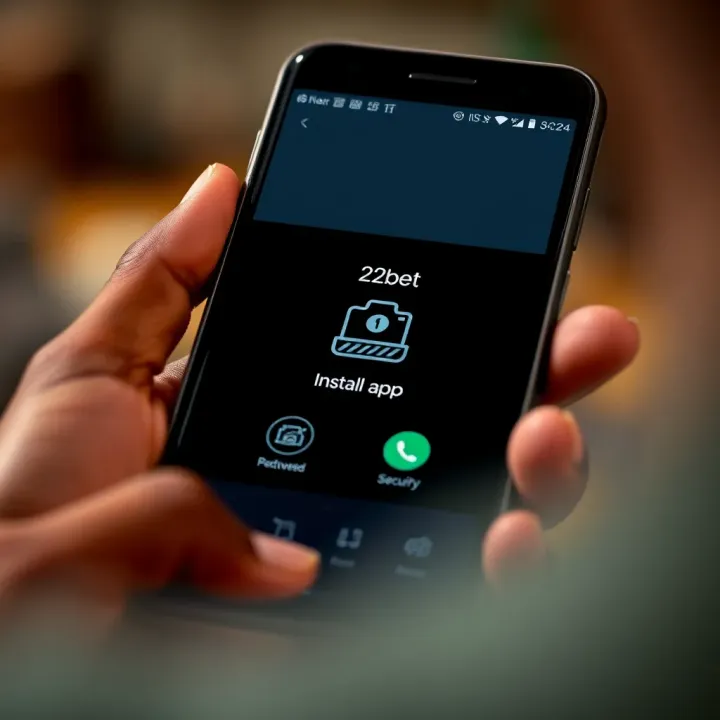
📱 Learn how to easily download and install the latest 22bet app in Nigeria on your phone. Get tips on device compatibility, security, features & troubleshooting today!
Based on 13 reviews